AetherCycle Combat Guide
First-person fights, build freedom, and loot that actually changes how hard you hit.
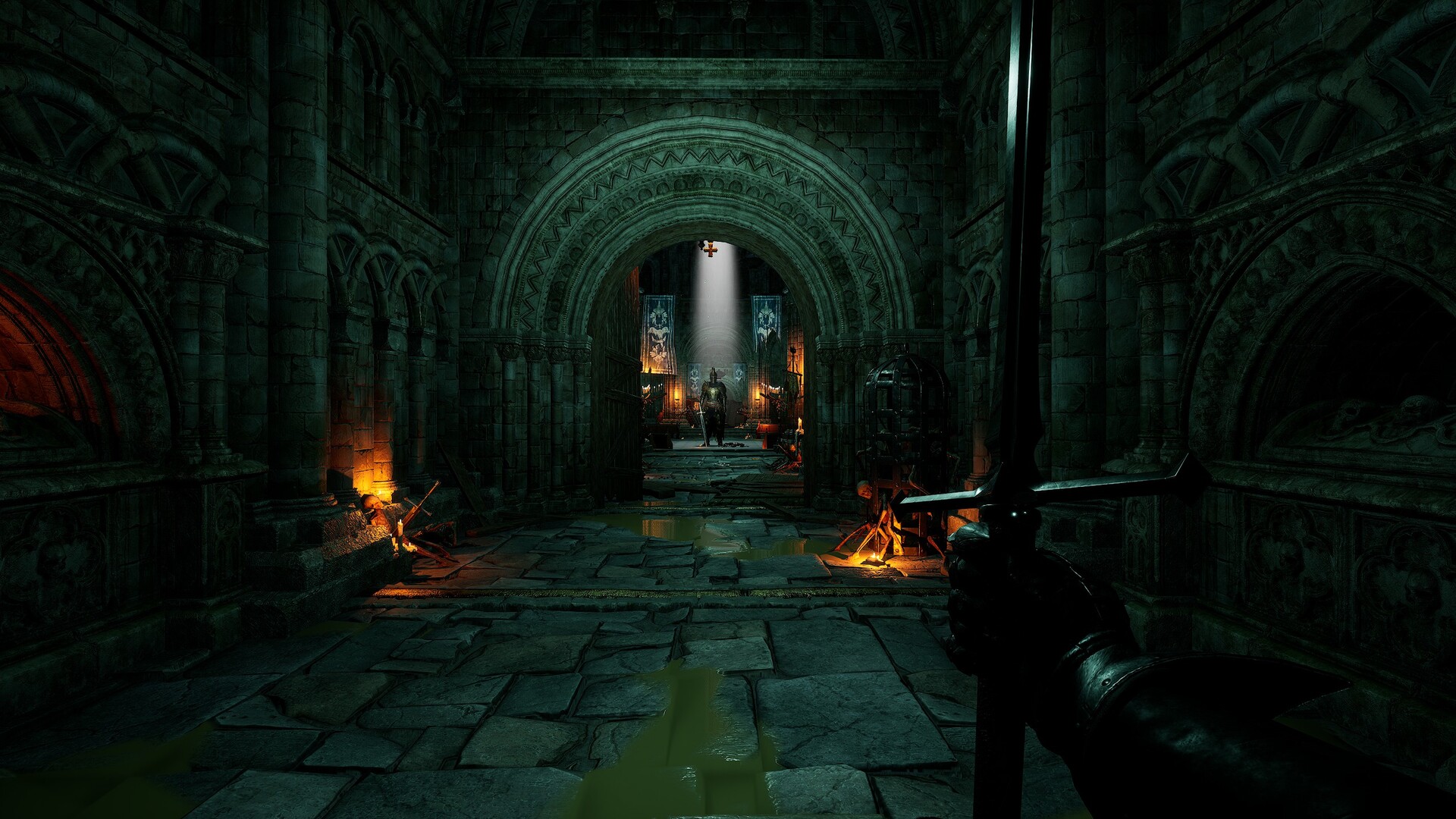
Combat in AetherCycle is first-person, fast, and build-driven. You mix weapons, abilities, movement, and timing against regular enemies, elites, and bosses while The Cycle raises or reshapes world danger around you. This guide explains how roles feed into freestyle loadouts, how random-stat loot matters, and how to stay alive when the map gets mean. Pair it with Getting Started if you have not launched yet, and with The Cycle Explained so you never confuse world shifts with character wipes.
DEEP INTERACTIVE positions the game as a loot-driven action RPG: gear rolls random stats, enemies and rewards scale with player level, and there is no hard level cap planned. That means combat skill and upgrade discipline matter longer than a fixed “cap and done” ladder. Read System Requirements if frame time or GPU limits are already hurting your aim — smooth FPS is part of fair fights.
Roles are starting kits, not prisons
You begin as Mage, Archer, or Warrior. Each role brings starting stats, passives, and abilities so your first hours feel different. Critically, roles are not locked. Any weapon, ability, and build is available as you progress. Treat the role pick as a tutorial lens:
- Warrior — learn melee spacing, commit windows, and armor upgrades early.
- Archer — practice kiting, elevation, and ammo or shot discipline in open terrain.
- Mage — manage ability timing, resource pacing, and burst windows against packs.
After the opening stretch, experiment. A Warrior who finds strong ranged loot should try it. A Mage who prefers a heavy weapon can pivot. For role overviews and community rankings once EA data exists, use the Players hub and the Tier List.
Core fight loop
Every encounter follows a readable loop: position, pressure, defend or evade, spend abilities, reset. In first-person fantasy combat, camera control is half the skill. Keep enemies in view, avoid backing into unknown fog, and always note a retreat path toward a safer ridge, doorway, or town approach.
Weapons define your rhythm — swings, shots, or spell casts. Abilities are the multipliers: burst damage, control, mobility, or survival tools tied to your current kit. Gear with random stats is the long-term dial. When a drop improves survivability or damage more than your current piece, equip it. Hoarding “pretty but weak” items slows you more than The Cycle ever will.
Full armor sets at Early Access change appearance when worn as a complete set. That is cosmetic identity for EA; deeper character creation arrives later. Do not skip a defensive upgrade because you like the look of an incomplete mix — survival first, fashion when the set bonuses and stats align.
Melee, ranged, and magic pressure
Melee thrives in short rooms, cave mouths, and boss arenas where closing the gap is safe. Watch wind-ups, sidestep telegraphs, and punish recovery frames. Ranged and magic shine in the larger outdoor regions — remember the biggest zone is about 4×4 km, with smaller 2×2 and 1×1 areas — where you can kite across ridges and ruin courtyards. Mixing both is allowed: nothing in the role system forbids a hybrid kit once loot supports it.
Against packs, prioritize dangerous casters or chargers before grinding down fodder. Against elites, save a defensive or mobility ability for the second phase of the fight, not the opening volley. Bosses reward patience: learn one telegraph at a time, then chain damage during safe windows. Co-op groups should focus fire rather than splitting aggro across the entire arena — see Co-op Multiplayer for session rules (up to eight players, no PvP at launch).
Loot, leveling, and scaling
Enemies and loot scale with player level. As you grow, the world grows with you. That keeps older regions relevant under The Cycle and reduces the feeling that only one “max zone” matters. Because there is no planned hard level cap, invest in understanding your build’s breakpoints: how much defense you need to survive a Cycle spike, how much damage you need to finish elites before adds overwhelm you.
Random stats mean two items of the same slot can play completely differently. Compare sheets before vendor habits kick in. Crafting and passive skills (as highlighted in official materials) deepen customization over time — treat early EA as the foundation for those systems rather than the final spreadsheet.
Fighting while The Cycle moves
The Cycle dynamically alters enemies, difficulty, loot, and events. It does not erase your gear or builds. When the world turns harsher, shrink your goals: clear a known dungeon entrance, farm a safer loop, or bring friends. When the world offers richer rewards, push elite routes and bosses with a prepared kit. The endless design means there is always another window — you are not racing a permanent soft lock.
Practical Cycle-aware combat habits:
- Scout density before committing to a long pull.
- Keep a “bail out” consumable or mobility ability unspent until you need it.
- Upgrade defensively first when difficulty spikes, offensively when the map calms.
- Re-clear familiar caves after a Cycle shift — loot tables and spawns may feel new.
Bosses, dungeons, and interiors
Dungeons, caves, and interiors are physical spaces connected to the open world. Learn entrance locations so you can retreat to town approaches or safer overworld without relying on a nonexistent “leave instance” panic button alone. Inside, lighting and corridors favor players who manage camera and audio cues. Outside, elevation and sightlines favor ranged kits.
Boss fights are where build freedom shows. If your Mage kit lacks sustain, bring better armor rolls or a different ability. If your Warrior cannot reach a flying or kiting foe, swap to a ranged option you already unlocked. The game’s design pitch is that how you fight matters as much as the paper build — prove it by adapting mid-session instead of rage-rerolling.
Session checklist before a hard push
- Repair or replace broken weak slots with stronger random-stat drops.
- Confirm ability keybinds feel natural in first-person.
- Decide solo versus co-op; invite up to seven others if you want a full eight.
- Skim The Cycle Explained if the world mood changed since your last login.
- Check Updates after patches for balance notes that touch weapons or abilities.
- Return to the Guides Hub for sibling walkthroughs and Links for official Steam / support contacts.
Combat mastery in AetherCycle is a loop: learn telegraphs, upgrade greedily but thoughtfully, respect Cycle spikes, and use role freedom to reinvent your kit. Do that, and December 4, 2026 Early Access becomes a playground instead of a wall.
Frequently Asked Questions
Quick answers to the most common questions.
Can I change weapons if I started as Warrior, Mage, or Archer?
Yes. Roles set starting stats, passives, and abilities, but you are free to use any weapon, ability, and build as you find loot and unlock options.
Do enemies get stronger as I level?
Yes. Enemies and loot scale with player level. No hard level cap is planned, so upgrades and fight skill stay relevant.
Does The Cycle delete my gear after tough fights?
No. The Cycle changes world enemies, difficulty, loot, and events. Character progress, gear, and builds persist.
Is PvP part of combat at launch?
No. There is no PvP at Early Access launch. Online co-op is cooperative only, up to eight players.
Do full armor sets do anything at Early Access?
At EA, a full armor set changes your appearance. Deeper character creation is planned for the future.